
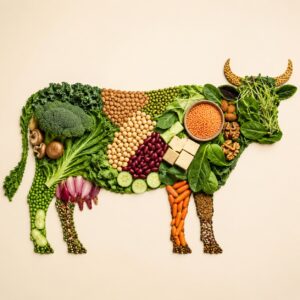
 Think You Need Meat to Get Enough Protein? Think Again!
When most people think of protein, they picture red meat, gym bros, or carnivore diets — not tofu, tempeh, legumes, or pea protein. But plant foods are some of the most nutrient-dense protein sources on the planet. They’re packed not only with protein, but also fibre, antioxidants, vitamins and minerals that help your body thrive.
Whether you’re fully plant-based or simply trying to eat more plants, here’s why plant protein deserves a place on your plate.
Why Protein Matters
Protein isn’t just for building muscle. It’s involved in almost every cell and function in your body.
Protein supports:
- Muscle growth, repair and recovery
- Hormone and enzyme production
- A healthy immune system
- Hair, skin and nail health
- Blood sugar balance and steady energy
- Feeling fuller for longer, helping to reduce cravings
Did you know?
Adults naturally begin losing muscle mass from around the age of 30. Without enough protein and regular resistance exercise, this decline continues with age. That’s why meeting your protein needs is important at every stage of life—not just if you’re an athlete.
Myth Busting: “Plant Protein Isn’t Complete”
One of the biggest myths about plant-based eating is that plant proteins are “incomplete.”
Here’s the truth…
Protein is made up of building blocks called amino acids. There are nine essential amino acids that we need to get from food.
Plant foods naturally contain all nine essential amino acids, but the amounts of each amino acid vary between different foods. Great complete or well-balanced plant proteins include:
- Tofu
- Tempeh
- Edamame
- Quinoa
- Buckwheat
- Soy protein
- Pea and brown rice protein blends
Think variety, not perfection. Every meal doesn’t need to contain every amino acid. A varied plant-based diet can naturally do the job.
Plant Protein Champions
Unlike many animal proteins, plant proteins also provide fibre, antioxidants and beneficial plant compounds (phytochemicals) that nourish your gut and support your body’s natural inflammatory response.
Great options include:
- Lentils – ~18 g protein per cooked cup
- Chickpeas – ~15 g protein per cooked cup
- Beans (black & kidney) – ~15 g protein per cooked cup
- Tofu – ~15–17 g protein per 100 g
- Tempeh – ~19–21 g protein per 100 g
- Edamame – ~18 g protein per cooked cup
- Hemp seeds – ~10 g protein per 3 tbsp (30 g)
- Chia seeds – ~5 g protein per 2 tbsp (28 g)
- Pumpkin seeds – ~8–9 g protein per 30 g (¼ cup)
- Quinoa – ~8 g protein per cooked cup
- Buckwheat – ~6 g protein per cooked cup
- Oats – ~5 g protein per ½ cup dry (40 g)
- Protein powders – ~20–35 g protein per serve
Fun Fact
One cup of cooked lentils contains almost the same amount of protein as three eggs—but also delivers around 15 grams of fibre, something eggs don’t provide.
Gentle on Digestion + Gut Supportive
One of the beautiful things about plant protein is how supportive it can be for digestion. Plant foods naturally contain fibre, which feeds the gut microbiome, supports regularity, and helps reduce inflammation. They’re also lower in saturated fat, making them a nourishing choice for long‑term wellbeing.
Simple Ways to Boost Plant Protein
Adding more plant protein doesn’t need to be complicated.
Try:
- Adding pea protein powder to smoothies or oats
- Swapping rice for quinoa
- Including tofu or tempeh in stir‑fries
- Snacking on roasted chickpeas or edamame
- Sprinkling hemp or chia seeds onto meals
Small changes add up quickly.
How do plant based protein powders compare?
- Pea protein is rich in lysine and leucine but lower in methionine.
- Brown rice protein is higher in methionine but lower in lysine.
- Hemp protein contains all essential amino acids but has lower protein and leucine content.
- Soy protein provides the most balanced amino acid profile of the common vegan protein powders.
A practical tip is that blending pea and brown rice protein creates a more balanced amino acid profile, with each compensating for the other’s limiting amino acid. This is why many vegan protein powders combine these two sources.
My personal favourite is PranaOn Power Plant Protein – Rich Chocolate. Each serve provides 30 g of protein from a blend of pea protein, brown rice protein and faba bean protein, along with digestive enzymes and probiotics to support digestion.
Curious About Your Protein Intake?
Wondering whether you’re eating enough protein for your age, lifestyle or health goals?
As a plant-based Naturopath, I love helping people take the guesswork out of nutrition. Together, we can assess your current intake and create a realistic plan that helps you meet your protein needs while enjoying delicious, nourishing food.
With care,
Emily Payne, BHSc (Naturopathy)
Nexus Naturals — Your Health Connection with Nature