
 One of the questions we are often asked is, “What’s the best vitamin D supplement?”
It is a fair question. Vitamin D is available in many forms – liquid drops, capsules, sprays, emulsified preparations and liposomal products – often creating the impression that one form must somehow be markedly superior to another.
But for most people, the answer is far simpler than the marketing suggests.
Most vitamin D supplements contain exactly the same active ingredient – cholecalciferol, also known as vitamin D3.
Whether it comes in a capsule, a softgel, a liquid drop or a spray, the vitamin D itself is usually the same molecule. In many cases, the raw ingredient may even come from the same large-scale manufacturer before being formulated and packaged under different brand names.
This means that, more often than not, the question is not really “Which vitamin D is best?” The more useful questions are “Do I need vitamin D?”, “What is my current vitamin D level?”, and “How much vitamin D is appropriate for me?”
Where Does Supplemental Vitamin D Come From?
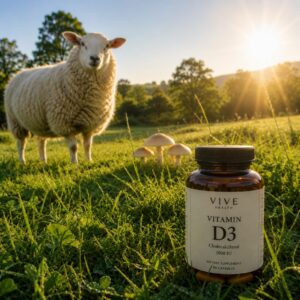
Most vitamin D3 supplements are derived from lanolin, a natural wax obtained from sheep’s wool.
Lanolin contains cholesterol, which is first chemically converted into 7-dehydrocholesterol and then exposed to ultraviolet light to produce cholecalciferol – the same form of vitamin D naturally synthesised in human skin following sun exposure.
In other words, while it begins with lanolin, the end product is bioidentical to the vitamin D your body makes naturally.
For those seeking plant-based options, vegan vitamin D3 is also available, typically sourced from lichen.
Another plant-derived option now appearing in the market is vitamin D2, often produced from mushrooms exposed to ultraviolet light. Mushrooms naturally contain ergosterol, which converts to ergocalciferol (vitamin D2) when exposed to UV light. While vitamin D2 is biologically active and can raise vitamin D levels, vitamin D3 is generally regarded as the more effective form for raising and maintaining serum vitamin D status over time.
Dose Matters More Than Brand
Vitamin D supplementation should ideally be guided by a blood test measuring serum 25-hydroxyvitamin D, the marker used to assess vitamin D status.
Without knowing your current level, choosing a dose becomes guesswork.
For many adults, around 1000 IU daily may serve as a reasonable maintenance dose, particularly where sun exposure is modest. But this is not a universal rule.
Someone who is deficient may require substantially more for a period of time to restore healthy levels. Someone with excellent vitamin D status may need very little supplemental vitamin D, or none at all.
The right dose depends on the person sitting in front of you – their blood level, sun exposure, skin tone, body composition, season, geography and individual physiology all matter.
Does Form Matter?
For most people, not greatly.
Liquid drops can be useful where flexible dosing is needed. Capsules are simple and convenient. Sprays may suit people who prefer not to swallow supplements.
But when the active ingredient is cholecalciferol, the difference between forms is often less important than marketing would have you believe.
What matters more is:
- taking an appropriate dose
- taking it consistently
- checking levels when clinically appropriate
The Bottom Line
When it comes to vitamin D, the best supplement is usually not about brand prestige or clever packaging.
It is about choosing an appropriate form of cholecalciferol, taking the right dose for your needs, and understanding your current vitamin D status before supplementing blindly.
Thoughtful, evidence-based supplementation starts with testing, not guessing.
If you would like guidance on interpreting your vitamin D level or understanding what dose may be appropriate for your circumstances, consultations can be booked at www.viveclinic.com.au.
Article written by
Peter Christinson
Certified Practicing Nutritionist
Vive Health – Retail and Clinic Manager